
Sri Lanka is one of the most rewarding destinations in Asia for cultural and community-based travel. Beyond its beaches and landscapes, the island offers deep connections with local life, where travellers can experience village traditions, ancient heritage, and everyday stories of real communities. From shared meals in rural homes to walking through centuries-old cultural sites, Sri Lanka invites you to travel in a more meaningful and human way.
BLOGS

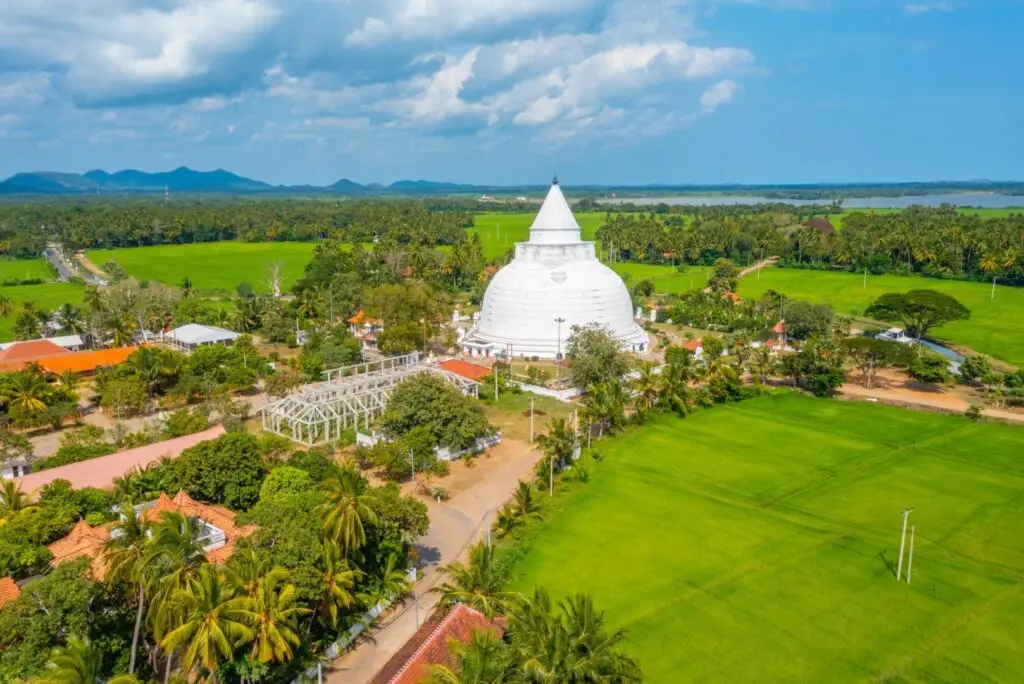
Where Culture Comes Alive: Exploring Community-Based Travel in Sri Lanka
Sri Lanka stands out as a destination where culture is not something you observe from a distance, but something you actively experience. The island’s compact size makes it possible to move from ancient kingdoms to living villages within a short journey, allowing travellers to engage directly with local communities without losing comfort or accessibility.
One of the strongest aspects of cultural travel in Sri Lanka is its village-based experiences. In regions like Sigiriya, Habarana, and the Cultural Triangle, visitors can take part in daily rural life, such as farming activities, traditional cooking, catamaran lake crossings, and bullock cart rides. These are not staged performances, but genuine interactions that reflect how many communities still live today.
Sri Lanka’s cultural identity is also deeply rooted in its heritage sites. Places like Anuradhapura, Polonnaruwa, Kandy, and Dambulla are not only archaeological landmarks but also active spiritual and cultural centres. Travellers often witness rituals, temple ceremonies, and traditional practices that continue uninterrupted for centuries, offering a rare continuity between past and present.
Community-based travel in Sri Lanka is also strengthened by the warmth of its people. In rural areas, hospitality is natural and welcoming, with many experiences involving direct engagement with local families. Whether it is sharing a home-cooked meal, learning traditional crafts, or listening to local stories, these moments create a deeper understanding of Sri Lankan life beyond tourism.
Another reason Sri Lanka is ideal for this style of travel is its diversity within short distances. In just a few hours, travellers can move from farming villages to tea plantations, from cultural cities to coastal communities. This makes it easy to design journeys that are rich in variety while still remaining relaxed and accessible.
For travellers seeking more than sightseeing, Sri Lanka offers a form of travel that is grounded in connection. It is a destination where culture is alive, communities are welcoming, and every journey becomes an opportunity to learn, share, and understand.